
Azalea Animal Hospital: Top Signs Your Pet Needs a Vet Visit

Azalea Animal Hospital: Top Signs Your Pet Needs a Vet Visit
As a caring pet owner, you know your dog or cat better than anyone. When your pet suddenly acts out of character, skips a meal, or seems uncomfortable, it is natural to wonder if something is wrong. Many health concerns can be subtle at first, and early detection is key to keeping pets happy and healthy. At Azalea Veterinary Clinic—your trusted local provider of high-quality veterinary care in Roswell, GA—we understand how important it is to recognize when your pet needs a professional evaluation. In this guide, our veterinary team explains the most important signs that mean your dog or cat should see a veterinarian promptly. Whether it is a sudden change in behavior, appetite, or appearance, knowing what to watch for empowers you to make the best decisions for your companion’s well-being. If you are searching for helpful advice or a reliable resource like azalea animal hospital, you are in the right place.
Recognizing the Warning Signs: When Is It Time for a Vet Visit?
Every pet displays subtle clues when something is not right. While some symptoms are obvious, such as vomiting or limping, others can be more difficult to spot. Key signs your pet may need veterinary attention include sudden loss of appetite, vomiting or diarrhea that lasts more than a day, persistent coughing or difficulty breathing, unexplained weight loss, and noticeable changes in behavior such as increased hiding, aggression, or lethargy. Other warning signs are drinking or urinating more than usual, limping or trouble rising, shaking the head or scratching at ears, and any swelling, wounds, or growths on the body. If your dog or cat is suddenly less active, seems uncomfortable, or you notice changes in their coat, eyes, or mouth, these can all signal underlying health issues that deserve prompt evaluation.
Subtle Changes That Matter
Not all health concerns present dramatically. For example, a normally social cat who starts hiding in closets, or a playful dog who seems less interested in walks, may be showing early signs of discomfort or pain. Increased sleeping, reluctance to jump or climb stairs, or changes in vocalization are further indications that your pet may not be feeling their best. Some pets may develop bad breath, drool excessively, or paw at their face, which can point to dental disease or oral discomfort. Owners should also be alert to changes in litter box habits, accidents around the home, or signs of confusion, especially in senior pets.
Understanding Why These Signs Occur
Pets often hide their pain or illness. In the wild, showing weakness can make animals vulnerable, so cats and dogs have evolved to mask discomfort as long as possible. Many conditions, such as kidney disease, diabetes, dental problems, arthritis, and infections, develop gradually before more severe symptoms appear. For instance, increased thirst and urination may signal diabetes or kidney issues; limping or stiffness can be due to arthritis, injury, or even tick-borne diseases. Persistent coughing or labored breathing can be a result of respiratory infection, heart disease, or allergies. Sudden changes in appetite or weight may reflect gastrointestinal disorders, hormonal imbalances, or underlying cancer. By the time a pet is visibly ill, the underlying condition is often more advanced than it appears, so paying attention to early changes is critical.
The Importance of Early Detection
Catching health concerns early not only leads to better outcomes for your pet but can also make treatment more effective and affordable. For example, detecting dental disease before it causes tooth loss or infection allows for simpler and less invasive treatment. Identifying lumps or bumps early gives your veterinarian the best chance to address them before they become more serious. Routine screenings and annual wellness visits are essential for uncovering hidden problems, especially since pets age much faster than humans.
How Azalea Animal Hospital Diagnoses and Treats Pet Health Concerns
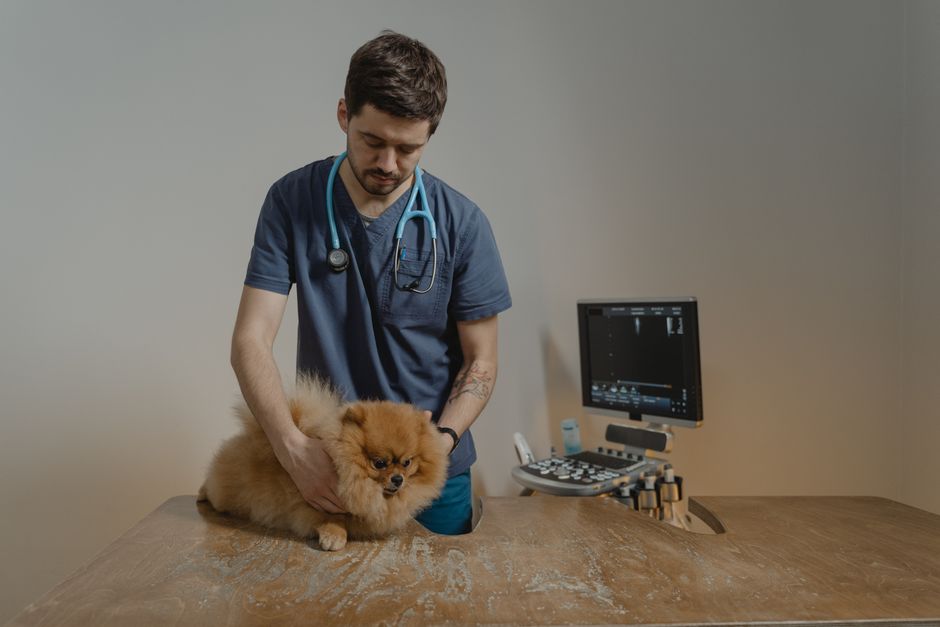
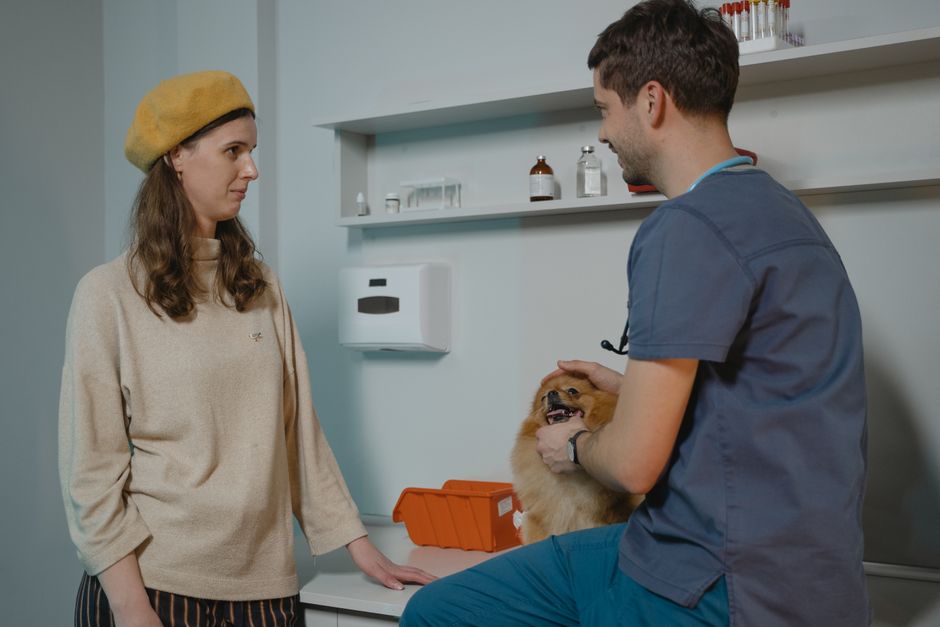
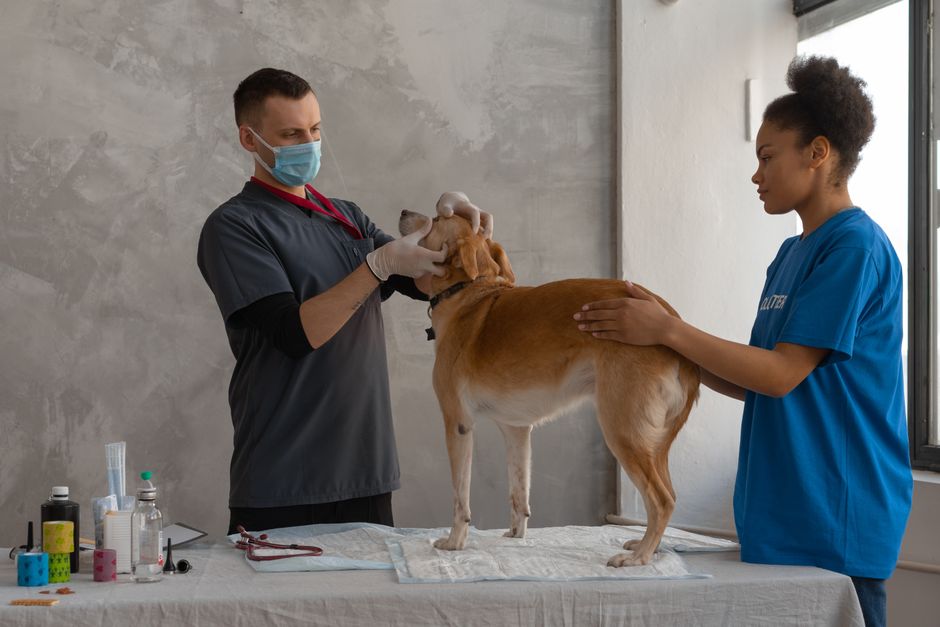
When you bring your dog or cat to azalea animal hospital for a concerning symptom, our veterinary team starts with a thorough examination. We ask about your pet’s history, recent changes, and any specific signs you have noticed. Depending on the symptoms, we may recommend additional diagnostics such as bloodwork, urinalysis, fecal analysis, or imaging. Our on-site diagnostic laboratory allows us to quickly evaluate unusual symptoms and health changes, giving us valuable information within hours.
Advanced Diagnostics for a Clearer Picture
For cases where more information is needed, we offer digital radiology to investigate injuries, pain, or internal health concerns, as well as veterinary ultrasounds to get a closer look at the heart, abdomen, or other organs. If your pet has ongoing or complex symptoms, our internal medicine services help pinpoint the cause and tailor a treatment plan to your pet’s specific needs. Our veterinarians may recommend hospitalization for supportive care in severe cases, such as dehydration, poisoning, or advanced infections. For chronic conditions like arthritis, kidney disease, or allergies, our team works with you to develop a long-term management plan that improves your pet’s comfort and quality of life.
Treatment Options Tailored to Your Pet
Treatment approaches at azalea animal hospital involve a combination of medical, surgical, and supportive therapies based on your pet’s diagnosis. For example, infections may be treated with appropriate medications, while dental disease might require a professional cleaning or extractions. Injuries or pain may be managed with rest, pain relief, and rehabilitation recommendations. For pets with chronic illnesses, regular monitoring and adjustments to their care plan help ensure the best possible outcome. Our goal is always to keep your companion comfortable, active, and living their healthiest life.
Home Care and Prevention: Keeping Your Pet Healthy Between Visits
While some health concerns require professional attention, there are many proactive steps you can take at home to keep your pet feeling their best. Ensure your pet receives regular wellness examinations to identify health changes before symptoms become severe. Keep vaccinations up to date to protect against preventable diseases. Maintaining a healthy diet, weight, and dental hygiene is also crucial. Provide routine parasite prevention, safe exercise opportunities, and plenty of mental stimulation for both dogs and cats.
Watch for subtle changes in your pet’s behavior, appetite, and activity level, as these are often the first signs of a problem. For senior pets, more frequent check-ins and targeted senior pet care can help catch age-related issues early. If your pet has a chronic condition, follow your veterinarian’s recommendations for medication, monitoring, and special diets. By building a strong partnership with your veterinary team, you can address concerns promptly and keep your pet thriving at every life stage.
When to Seek Veterinary Care: Making the Right Call
Knowing when to schedule an appointment with your veterinarian is one of the most important responsibilities of pet ownership. If your pet is experiencing persistent vomiting or diarrhea, difficulty breathing, sudden collapse, seizures, severe pain, or any signs of poisoning, seek veterinary care immediately. Other situations that warrant prompt attention include refusal to eat or drink for more than 24 hours, labored breathing, trouble urinating, blood in urine or stool, or unexplained injuries. For less urgent symptoms—such as mild limping, changes in appetite, or increased lethargy—contact your veterinarian for guidance on the next steps.
It is always better to err on the side of caution. If you are unsure whether your pet’s symptoms require a visit, our team at Azalea Veterinary Clinic is happy to answer questions and help you decide. Timely intervention can make a significant difference in your pet’s recovery and long-term health.
Supporting Your Pet’s Health in Roswell and Beyond
Your pet’s health and happiness are our top priorities at azalea animal hospital. Our team of veterinarians is dedicated to providing compassionate, high-quality care for every stage of your pet’s life. By staying alert to changes in behavior, appetite, and appearance, you can act quickly when something feels off. Remember that regular check-ups, preventive care, and open communication with your veterinary team are the best ways to ensure your pet lives a long, healthy life.
If you notice any concerning changes or have questions about your pet’s well-being, do not hesitate to reach out. To schedule an appointment or discuss your pet’s symptoms, call us at (770) 580-4488 or visit us at 9420 Willeo Rd, Suite 204, Roswell, GA 30075. When searching for a vet near me, trust Azalea Veterinary Clinic to be your local partner in lifelong pet care. For more information or to learn about our comprehensive services, explore our website or ask about our pet examinations and other preventive options today.
All medical information provided in this blog is for educational purposes only and does not replace professional veterinary care. Always consult your veterinarian for diagnosis and treatment specific to your pet’s needs.