
Recognizing Heatstroke in Dogs and Cats: Summer Safety Tips

Recognizing Heatstroke in Dogs and Cats: Summer Safety Tips
As summer arrives in Roswell, many pet owners look forward to enjoying sunny days with their dogs and cats. However, Georgia’s hot and humid July weather can quickly turn dangerous for our companion animals, especially when temperatures soar. Heatstroke is a life-threatening emergency that can affect both dogs and cats, and recognizing the early warning signs is essential for every pet owner. At Azalea Veterinary Clinic, located at 9420 Willeo Rd, Suite 204, Roswell, GA 30075, our team of veterinarians wants to help you keep your pets safe and comfortable all summer long.
In this blog, we will discuss how to spot the symptoms of heatstroke in dogs and cats, what causes this dangerous condition, what steps to take if you suspect your pet is overheating, and how you can prevent heatstroke before it starts. You’ll also learn when it’s time to seek immediate veterinary care and how our veterinary team can provide support and treatment. Whether you are planning outdoor adventures or simply want to let your pet enjoy the backyard, staying informed about heat safety will help protect your furry family members throughout the hottest months of the year.
How to Recognize Heatstroke in Dogs and Cats
Heatstroke can develop rapidly in pets, especially during the peak of summer. Recognizing the early warning signs is critical so you can act quickly and prevent a potentially fatal situation. Dogs and cats are more vulnerable to heatstroke than people, as they are less efficient at cooling themselves.
In dogs, the most common warning signs of heatstroke include excessive panting, drooling, restlessness, rapid heartbeat, and weakness. As heatstroke progresses, you may notice your dog becoming lethargic, vomiting, experiencing diarrhea (sometimes with blood), or collapsing. Some dogs may also have bright red or pale gums and may appear disoriented or uncoordinated.
Cats, being less obvious about their discomfort, may hide, pant (which is unusual for cats), drool, or show signs of increased breathing effort. Other signs in cats are lethargy, vomiting, unsteady movement, and in severe cases, seizures. Flat-faced breeds like Bulldogs, Pugs, Persians, and Himalayans are particularly at risk due to their unique anatomy.
If you observe any of these symptoms in your dog or cat during warm weather, it’s important to act immediately. Even a short period of overheating can cause severe organ damage or death if not treated promptly. Our emergency veterinary care page provides further details about what to do if your pet needs urgent help.
Why Do Dogs and Cats Get Heatstroke?
Understanding the causes of heatstroke in pets helps you better protect them when temperatures rise. Unlike humans, dogs and cats do not sweat over most of their bodies. Instead, they rely on panting and limited sweat glands in their paw pads to release heat. This makes them less efficient at cooling down, especially in humid conditions that are common in Roswell during July.
Risk factors for heatstroke include high outdoor temperatures, intense humidity, lack of access to shade or water, and being confined to poorly ventilated spaces like cars or sunrooms. Overexertion during play or exercise can also lead to overheating; dogs are especially prone to forgetting their own limits when they are excited outdoors. Certain pets are at higher risk, such as young puppies and kittens, seniors, overweight animals, and breeds with short noses or thick coats.
Even a brief time in a hot car can be deadly, with temperatures inside rising far above the outside air in just minutes. Never leave your dog or cat unattended in a vehicle, even with the windows cracked.
What to Do If You Suspect Heatstroke in Your Pet
If you think your dog or cat may be suffering from heatstroke, immediate action can save their life. First, move your pet to a cooler, shaded area or indoors. Begin cooling them by offering small amounts of cool (not cold) water to drink and using damp towels or cloths on their body, focusing on the paws, belly, and armpits. Avoid ice water or ice baths, as these can constrict blood vessels and actually slow the cooling process.
Monitor your pet closely for changes in breathing, awareness, and gum color. If your pet is unconscious, having seizures, or unable to stand, transport them to a veterinary hospital as quickly and safely as possible. Call ahead so the veterinary team can prepare for your arrival. Our emergency veterinary care services at Azalea Veterinary Clinic are equipped to handle heatstroke cases and provide rapid intervention.
Do not attempt to force water or food if your pet is vomiting or not fully alert. Heatstroke is a serious medical emergency that requires professional care; even if your pet seems to improve, internal organ damage may continue to develop.
How Heatstroke Is Treated in Veterinary Practice
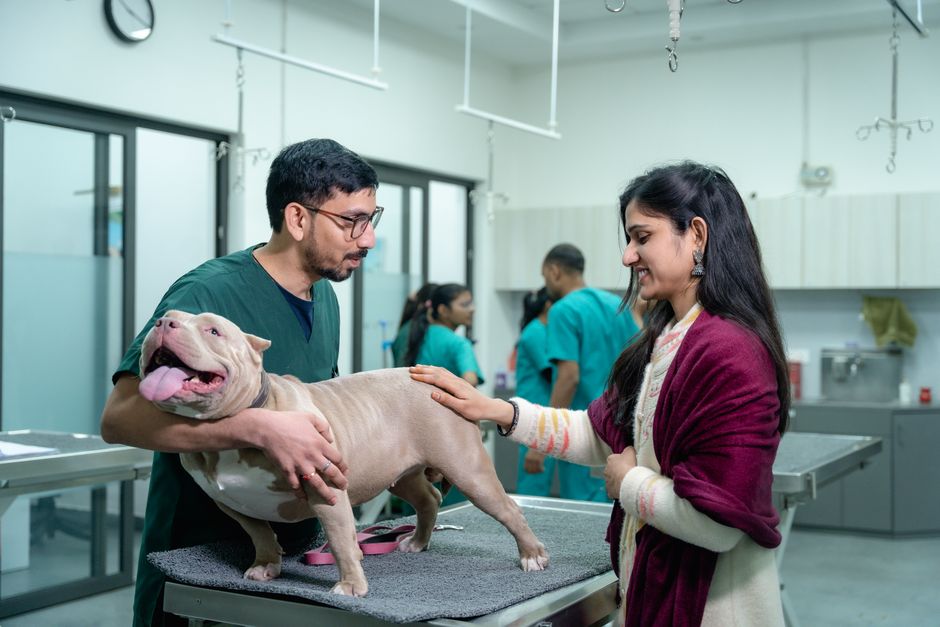
Once at the veterinary clinic, dogs and cats with heatstroke receive immediate, life-saving treatment tailored to the severity of their condition. The veterinary team will check your pet’s temperature, heart rate, breathing, and organ function, and may begin intravenous fluids to restore hydration and support circulation.
Other treatments may involve oxygen therapy, medications to manage shock or seizures, and careful monitoring of blood pressure and organ health. Blood tests and diagnostic imaging such as radiographs or ultrasound may be recommended to check for internal complications. Severe cases can require hospitalization for several days, as heatstroke puts stress on the kidneys, liver, brain, and heart.
Our veterinarians will also provide supportive care and pain management, and will guide you on what to watch for during your pet’s recovery at home. The outcome depends on how quickly treatment was started and the extent of organ damage, making early intervention essential.
Summer Safety Tips: Preventing Heatstroke at Home
Preventing heatstroke is always easier than treating it. Pet owners in Roswell can take several simple steps to keep dogs and cats safe during the summer. Make sure your pet always has access to fresh, cool water and a shady, well-ventilated area when outside. Avoid walking dogs during the hottest parts of the day; early morning and late evening are safer times for exercise.
For outdoor play, watch your dog closely and provide frequent breaks in the shade. Never leave your cat on a sun porch or in a greenhouse, as these areas can heat up quickly. Keep in mind that pavement and asphalt become dangerously hot and can burn sensitive paw pads; test surfaces with your hand before letting your dog walk on them.
Indoor pets also need protection from heat. Ensure air conditioning or fans are running, and keep curtains closed to block direct sunlight. Some cats and dogs enjoy cooling mats or frozen treats, but always supervise your pet with unfamiliar items.
If your pet has a thick coat or is prone to matting, regular grooming can help with heat regulation. Talk to our veterinarians about breed-specific advice or if you are concerned about your pet’s ability to handle summer weather.
For pets with allergies or underlying conditions, a comprehensive pet exam can help identify risk factors that may increase their susceptibility to heatstroke. Our team can provide recommendations tailored to your dog or cat’s unique needs.
When to Seek Immediate Veterinary Care
Heatstroke is an emergency that should never be taken lightly. If your dog or cat shows any signs of overheating such as excessive panting, drooling, lethargy, vomiting, or unsteadiness, move them to a cool area and contact your veterinarian right away. Pets that collapse, have seizures, or become unresponsive need urgent medical attention.
Do not wait to see if symptoms improve on their own. Timely intervention is crucial to minimize long-term damage and improve the chances of a full recovery. If you are unsure whether your pet’s symptoms are related to heatstroke, our team at Azalea Veterinary Clinic is available to answer your questions and provide guidance.
Remember that heatstroke can progress quickly, even in just a few minutes. It is far better to have your pet evaluated and find out it was not serious than to risk their health by waiting too long.
Protecting Your Pet All Summer: Trust Azalea Veterinary Clinic
Your dog or cat depends on you to keep them safe during the hot and humid months in Roswell. By learning to recognize the warning signs of heatstroke, taking preventive measures, and knowing when to seek help, you can ensure your pet enjoys the summer safely.
If you are concerned about your pet’s risk for heatstroke or have questions about summer safety, schedule a wellness examination with our veterinary team at 9420 Willeo Rd, Suite 204, Roswell, GA 30075. We serve pet owners in Roswell and surrounding communities, providing compassionate, comprehensive care for dogs and cats year-round.
If your pet ever needs urgent help due to overheating or another emergency, our emergency veterinary care page outlines what to do next. For ongoing wellness and peace of mind, our veterinarians are here to answer your questions and offer tailored advice for your dog or cat.
When searching for a vet near me, look for a clinic that combines expertise, advanced care, and a genuine commitment to your pet’s wellbeing. Call Azalea Veterinary Clinic at (770) 580-4488 to schedule an appointment or discuss your summer safety concerns. Together, we can help your pets enjoy a safe, happy, and healthy summer in Roswell.