
Summer Paw Care Tips for Roswell Pet Owners
Summer Paw Care Tips for Roswell Pet Owners
As summer arrives in Roswell, GA, pet owners start to notice just how sensitive their dogs’ and cats’ paws can be to the Georgia heat and humidity. Whether you’re enjoying a walk through your neighborhood, spending time at the local park, or simply letting your pet roam the backyard, hot pavement, allergens, and moisture can create real problems for those hard-working paws. At Azalea Veterinary Clinic, located at 9420 Willeo Rd, Suite 204, Roswell, GA 30075, our veterinary team understands how important it is to protect your pet’s paws all year, but especially during the intense summer months.
This blog will help you recognize signs of summer paw problems in your dog or cat, understand what causes these issues, learn how to treat and prevent common paw injuries, and know when it’s time to schedule a visit with our veterinarians for professional help. We’ll also share how our Roswell veterinary clinic supports local pets with everything from wellness exams and dermatology to urgent care for paw injuries. Let’s explore how to keep your pet’s paws healthy, comfortable, and ready for summer adventures.
Recognizing Summer Paw Problems in Dogs and Cats
Many pet owners aren’t aware of just how vulnerable their pet’s paws can be, especially during the hot, humid days of July and August in Roswell and surrounding communities. While paw pads are tough by nature, they aren’t immune to damage. Recognizing the signs of paw problems early is crucial for your pet’s comfort and safety.
Key symptoms include limping, reluctance to walk, excessive licking or chewing at the feet, redness, swelling, or cracked paw pads. You might also notice blisters, burned areas, or even raw spots, particularly after walks on hot surfaces. For some pets, paw injuries manifest as sudden lameness or a change in gait. Cats might become withdrawn or avoid jumping, while dogs could resist going outside entirely.
If your pet seems unusually sensitive when you touch their feet, or if you see any discharge, bleeding, or signs of infection, it’s time to take a closer look. Seasonal allergies can also cause paw irritation, leading pets to lick and chew at their feet more than usual, sometimes resulting in secondary infections. By staying alert to these warning signs, you can intervene early and prevent minor issues from escalating into more serious problems.
Why Summer Causes Paw Problems
Several unique factors make summer particularly challenging for your pet’s paws in Roswell. The most obvious is heat; pavement, asphalt, sand, and even artificial turf can reach temperatures much higher than the air, sometimes hot enough to burn a pet’s paws within minutes. If you’ve ever tried walking barefoot across a driveway in July, you know how uncomfortable it can be.
Humidity also contributes by keeping paws moist, which can soften the pads and make them more prone to injury. Combined with frequent trips to the pool, lake, or muddy yards, your pet’s paws may stay damp for long periods, encouraging fungal or bacterial infections between the toes.
Allergens like pollen, grass, and outdoor molds are at their peak during summer. Pets with seasonal allergies might develop itchy, inflamed feet, leading them to lick or chew excessively. When this happens, the skin barrier weakens, increasing the risk of infections and chronic dermatitis. You can learn more about allergy-related paw issues and relief options by visiting our allergy testing page.
Outdoor activities and increased exposure to sharp objects, such as sticks, thorns, or broken glass, also mean pets are more likely to suffer cuts, scrapes, or puncture wounds. Even routine walks can become hazardous if you’re not careful about where your pet steps.
Treatment and Management of Paw Injuries at Azalea Veterinary Clinic
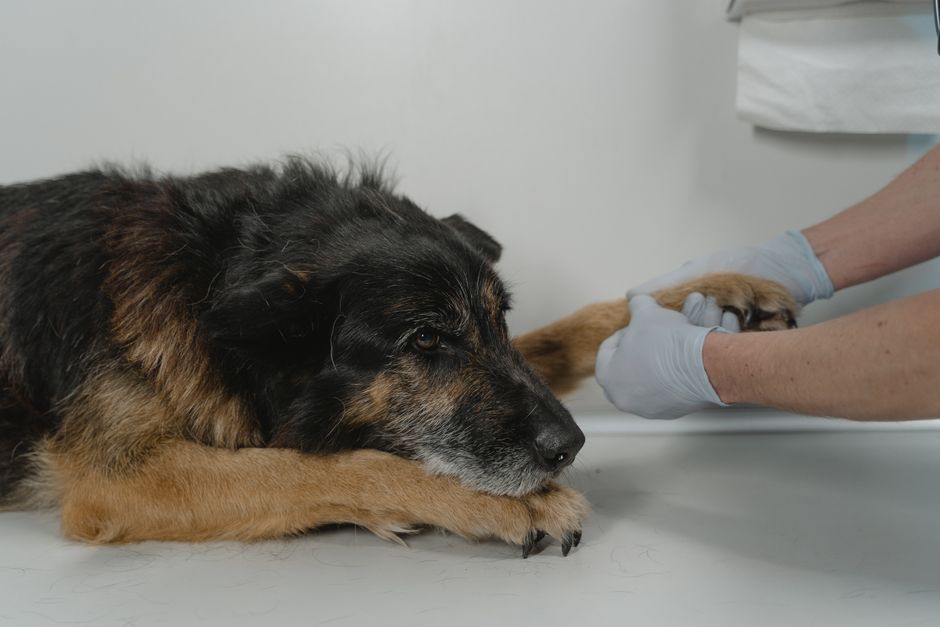
When your pet’s paws are injured, timely and effective care is essential. At Azalea Veterinary Clinic, our veterinary team provides comprehensive care for summer paw injuries, ranging from minor irritations to more severe burns and infections.
Treatment approaches depend on the nature and severity of the issue. For mild burns or abrasions, the first step usually involves gentle cleaning and the application of pet-safe topical ointments to soothe and protect the skin. Our veterinarians may recommend an Elizabethan collar to prevent your pet from licking or chewing at the affected area while it heals.
If infection is present, such as swelling, pus, or a foul odor, your pet may need prescription medications, including antibiotics or antifungals. Deeper wounds or punctures might require careful exploration, flushing, and sometimes sutures. In more severe cases, such as significant burns or injuries that are not healing properly, our clinic offers advanced care options, including pain management and bandaging techniques tailored to your pet’s specific needs.
For pets experiencing paw issues due to allergies, our team will work with you to identify triggers and develop an individualized plan. This might include allergy testing, dietary adjustments, or medications to control itching and inflammation. Learn more about our approach to skin health on our dermatology services page.
We understand that paw injuries can be distressing for both you and your pet. The goal of our veterinary professionals is to make the treatment process as comfortable and stress-free as possible, ensuring your companion returns to normal activities quickly and safely.
Preventing Summer Paw Problems: What Pet Owners Can Do at Home
Prevention is always better than treatment when it comes to summer paw care. Thankfully, there are many proactive steps you can take to protect your dog or cat’s feet during the hottest months in Roswell.
The most important strategy is to avoid walking your pet on hot pavement or asphalt during the peak heat of the day. Try to schedule outdoor time early in the morning or later in the evening when surfaces are cooler. A useful rule of thumb is to place the back of your hand on the ground; if it’s too hot for you, it’s too hot for your pet’s paws.
Keeping your pet’s paws clean and dry is equally vital. After outdoor walks or play sessions, check their feet for debris, cuts, or signs of irritation. Wipe their paws with a damp cloth to remove pollen, dirt, or chemicals, and dry them thoroughly to prevent moisture buildup. For pets prone to allergies, rinsing their feet after being outside can help minimize itching and reduce the risk of secondary infections.
If your pet allows it, trimming the fur between the toes can help prevent matting, debris accumulation, and excessive moisture. Some owners also use protective paw balms or booties for added protection, especially during hikes or long walks on rough terrain. Monitor your pet’s nails and keep them trimmed to prevent snagging or injury.
Regular wellness exams at Azalea Veterinary Clinic give our veterinarians the opportunity to check your pet’s feet and overall health, catching potential issues before they become serious. By partnering with our veterinary team, you can ensure that your dog or cat stays comfortable and active all summer long.
When to Seek Veterinary Care for Paw Problems
Some paw problems can be managed at home with basic first aid and preventative care, but certain signs mean it’s time to schedule an appointment with our veterinary team. If you notice any of the following, don’t delay in reaching out for professional help:
Persistent limping, refusal to bear weight, open wounds, significant swelling, blisters, or bleeding should always be evaluated by a veterinarian. Other warning signs include discharge or pus, a foul odor, or if your pet seems to be in pain even after basic home care. Burns or severe abrasions, especially those covering large areas or showing signs of infection, require prompt veterinary attention.
If your pet licks or chews at their feet constantly, or if you see red, raw, or thickened skin between the toes, a visit to Azalea Veterinary Clinic can help diagnose the underlying cause and provide effective relief. Pets with underlying health conditions, such as diabetes or immune system disorders, may be at higher risk for complications and should be seen promptly if any paw issues arise.
Our team also offers emergency veterinary care for urgent situations when your pet’s comfort and safety are at risk. Never hesitate to call if you’re unsure whether your pet’s paw problem needs professional evaluation; we are here to help you make the best decision for your companion.
Keeping Paws Healthy All Summer in Roswell
Hot, humid summers in Roswell present unique challenges for pet owners, but with some attention and a little help from your local veterinary team, your dog or cat can enjoy the season safely. By recognizing signs of paw injury, understanding the risks, and taking proactive steps at home, you’ll be well prepared to protect your pet’s paws from the hazards of summer.
If your pet is showing any signs of paw discomfort or you have concerns about their summer activities, schedule an appointment with Azalea Veterinary Clinic. Our compassionate veterinarians are dedicated to keeping your companion’s paws—and their whole body—healthy year-round. You can learn more about our services, including comprehensive pet exams, dermatology, and emergency care, by visiting our website or calling (770) 580-4488.
When searching for a vet near me in Roswell or nearby communities like Alpharetta, Milton, or Johns Creek, trust Azalea Veterinary Clinic to deliver the expertise and care your pet deserves. Your pet’s summer adventures start with healthy, happy paws. Reach out today to schedule your next visit or ask our veterinary team any questions about summer paw care.
Disclaimer: This blog is intended for informational purposes only and does not replace professional veterinary advice. Please consult our veterinarians for personalized recommendations or immediate care if your pet is experiencing a medical emergency.