
How to Protect Your Pet From Summer Parasites in Roswell

How to Protect Your Pet From Summer Parasites in Roswell
Summer in Roswell brings long, sunny days perfect for enjoying the outdoors with your dog or cat. However, the warm, humid weather also creates the perfect environment for a surge in parasites like fleas, ticks, and mosquitoes. These pests are more than just a nuisance; they can carry dangerous diseases that threaten your pet’s health and comfort. At Azalea Veterinary Clinic, located at 9420 Willeo Rd, Suite 204, Roswell, GA 30075, our team of veterinarians understands the unique challenges local pets face each summer. In this guide, we’ll explore how to recognize the signs of summer parasites in dogs and cats, why they become such a problem during hot months, treatment options, and most importantly, how you can prevent infestations before they start. We’ll also share when it’s time to schedule an appointment with our veterinary team to ensure your pet gets the care they need. Whether you call Roswell home or live in one of the surrounding communities, Azalea Veterinary Clinic is here to help you keep your pet happy and parasite-free all summer long.
Recognizing the Signs of Fleas, Ticks, and Mosquito-Borne Parasites
Parasites can be sneaky, often going unnoticed until your pet is already uncomfortable or at risk for serious health issues. Recognizing the early warning signs can help you intervene quickly and prevent complications. Fleas are notorious for causing intense itching, so if you notice your dog or cat scratching, biting, or licking themselves more than usual, it’s a sign to check for fleas. You might also spot small, dark specks (flea dirt) on your pet’s skin or bedding, or see actual fleas moving through their fur. Other signs of a flea problem include hair loss, red or irritated skin, and in severe cases, pale gums due to blood loss, especially in kittens and puppies.
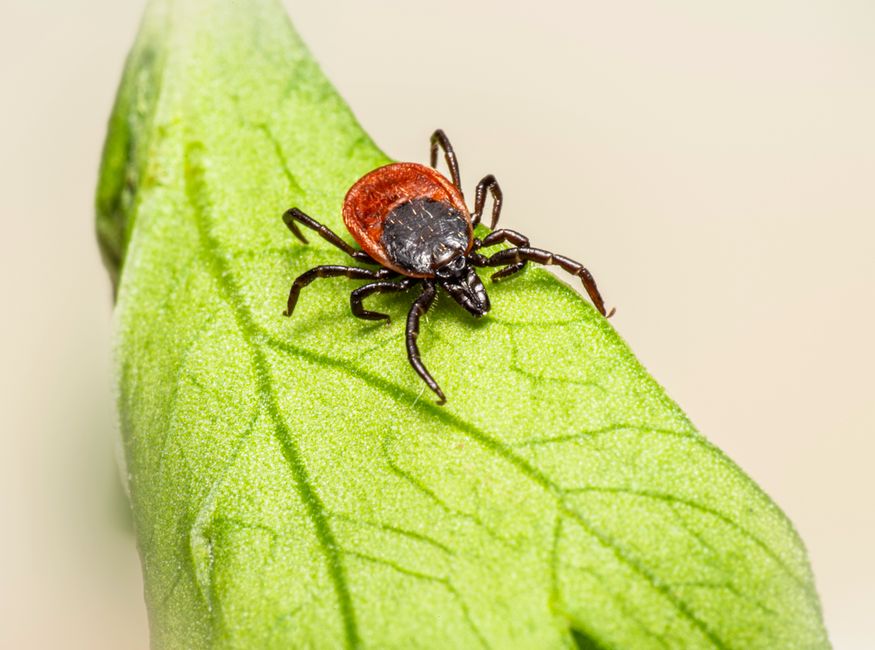
Ticks are often less noticeable at first. These parasites attach themselves to your pet’s skin and feed on blood, sometimes remaining hidden in thick fur. After spending time outdoors, especially in wooded or grassy areas, check your pet carefully for small, round bumps, particularly around the ears, neck, legs, and between toes. Ticks can transmit diseases such as Lyme disease and ehrlichiosis, so prompt removal is crucial.
Mosquitoes may seem like less of a concern, but they are the primary carriers of heartworm disease, a potentially fatal condition for both dogs and cats. Unlike fleas and ticks, you won’t see mosquitoes lingering on your pet, but if your dog develops a persistent cough, tires easily, or shows signs of breathing difficulty, these could indicate heartworm infection. Cats may exhibit vague signs like vomiting, coughing, or sudden collapse. Because symptoms often appear only after significant damage has occurred, prevention and regular heartworm testing are essential.
Why Summer in Roswell Means Higher Parasite Risks
Roswell’s hot, humid summers create ideal breeding conditions for fleas, ticks, and mosquitoes. Fleas thrive in temperatures between 65 and 80 degrees Fahrenheit with high humidity, making July and August peak months for infestations. Flea eggs and larvae can survive in shaded outdoor areas, on porches, and even inside your home, waiting for the right conditions to hatch and jump onto a passing pet.
Ticks are most active during warm months, especially in grassy, bushy, or wooded areas common around Roswell and its parks. Wildlife such as deer, raccoons, and rodents help support local tick populations, bringing them closer to residential areas and backyards.
Mosquitoes require standing water to lay their eggs, and frequent summer rainstorms provide plenty of opportunities for mosquito breeding. Even small amounts of water in flowerpots, gutters, or pet bowls can become hotspots for mosquito larvae, increasing the risk of heartworm transmission to pets who spend time outdoors.
Local climate is not the only factor; increased outdoor activity during the summer exposes pets to more opportunities for picking up parasites. Trips to dog parks, hikes, or time spent lounging in the backyard all increase the likelihood of contact with fleas, ticks, and mosquitoes. Understanding these seasonal risks helps you take proactive steps to protect your pet.
Treatment and Professional Care for Summer Parasite Problems
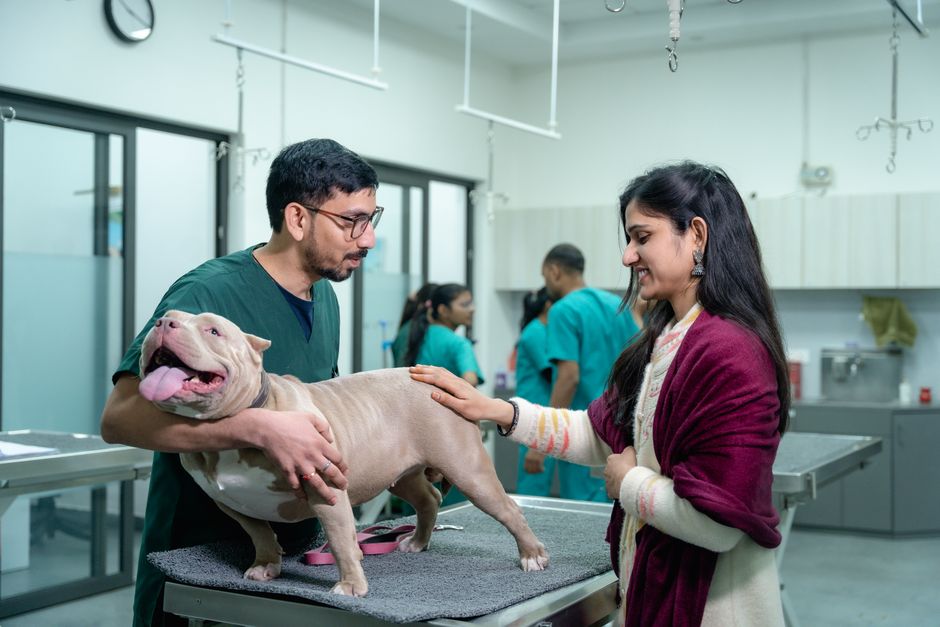
If you suspect your pet has a parasite problem, prompt veterinary care is important for both their comfort and overall health. At Azalea Veterinary Clinic, our veterinary professionals offer comprehensive diagnostic and treatment options for fleas, ticks, and mosquito-borne diseases.
Flea infestations are typically managed with a combination of oral or topical medications that kill adult fleas and prevent eggs from hatching. Some pets may also need treatment for secondary skin infections or allergies triggered by flea bites. Our team can recommend the best flea control products for your dog or cat, considering their age, health status, and lifestyle. If your pet struggles with itchy skin or recurring skin problems, our dermatology services address issues caused by parasites as well as other causes of skin irritation.
Tick removal should be done carefully to avoid leaving parts of the tick embedded in your pet’s skin. Our veterinarians can show you safe removal techniques or perform tick checks during routine visits. If your dog or cat develops symptoms after a tick bite, such as fever, joint pain, or lethargy, we may recommend testing for tick-borne diseases and start treatment as needed.
Heartworm disease requires a different approach. Dogs who test positive will need a specific treatment protocol managed by our veterinary team to eliminate adult heartworms and minimize complications. For cats, there is no approved heartworm treatment, so supportive care is the mainstay in the rare cases when infection occurs. The best approach for both species is prevention, with monthly medications that stop larvae from maturing into adult worms. Our heartworm testing services are a routine part of annual wellness visits and essential for catching infections early.
Preventing Parasites: Keeping Your Pet Safe at Home and Outdoors
Prevention is far easier—and safer—than treating an established parasite problem. The most effective way to protect your pet from fleas, ticks, and mosquitoes is by using veterinarian-recommended preventives year-round. Even though these parasites are most active in summer, the mild winters in Roswell mean they can persist throughout the year, putting pets at risk even in cooler months.
Preventive medications come in several forms, including topical treatments, oral tablets, and collars. Our veterinary team can help you choose a product tailored to your pet’s needs and lifestyle. Consistent use is key; missing even one dose can leave your pet vulnerable to infestation or infection.
Regular grooming and skin checks allow you to spot parasites before they become a bigger problem. After walks or playtime outdoors, especially in wooded or grassy areas, check your pet carefully for ticks or signs of fleas. Keeping your yard tidy by mowing grass, removing leaf litter, and eliminating standing water will reduce the habitats where parasites thrive.
Inside your home, wash pet bedding frequently, vacuum carpets and furniture, and consider treating your home environment if you are dealing with a persistent flea problem. If your pet has ongoing skin irritation, allergies, or unexplained hair loss, our allergy testing can help identify whether parasites or other allergens are to blame.
For mosquito prevention, minimize standing water and use screens to keep mosquitoes out of your home. Remember that even indoor-only pets can be at risk, as mosquitoes can find their way indoors.
Vaccinations do not directly prevent flea, tick, or mosquito infestations, but keeping your pet up-to-date on core vaccines helps protect them from diseases that can complicate recovery if they do become ill. Our team can review your pet’s vaccination needs during your next visit.
When to Seek Veterinary Care for Parasite Concerns
While prevention at home goes a long way, there are times when professional help is needed. Contact our veterinary team if you notice persistent scratching, biting, or licking, unexplained hair loss, skin redness, or sores on your pet. Visible fleas, ticks, or flea dirt also warrant a call. If your dog or cat develops symptoms such as coughing, lethargy, fever, loss of appetite, or breathing difficulties, these could indicate a more serious parasite-borne illness and require immediate attention.
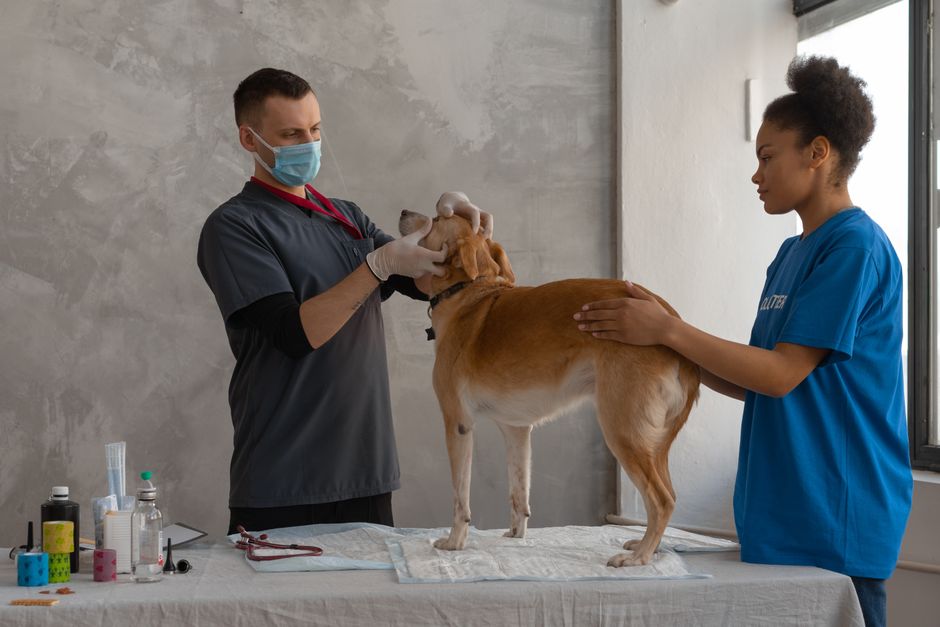
Routine wellness examinations are one of the best ways to detect parasites early and keep your pet protected all year. During your appointment, our veterinarians will check for fleas, ticks, and other signs of parasites, recommend appropriate diagnostics, and review your preventive care plan. If your pet has been exposed to ticks or mosquitoes and you are concerned about Lyme disease, ehrlichiosis, or heartworm, prompt testing and treatment can make all the difference.
Remember, some parasites can also affect people, especially children or those with weakened immune systems. Addressing parasite problems quickly protects your entire family.
Keeping Your Pet Protected With Azalea Veterinary Clinic
Summer in Roswell should be a season of fun and adventure for you and your pet—not a time spent battling fleas, ticks, and mosquitoes. By staying vigilant for warning signs, using effective preventives, and working closely with our team of veterinarians at Azalea Veterinary Clinic, you can keep your dog or cat safe from summer parasites. We are here to provide guidance, diagnostics, and treatment options tailored to your pet’s unique needs, so you can enjoy peace of mind all season long.
If you have questions, need to start your pet on preventive medications, or want to schedule a comprehensive pet exam, call our friendly team at (770) 580-4488 or visit us at 9420 Willeo Rd, Suite 204, Roswell, GA 30075. When searching for a veterinarian near me, trust Azalea Veterinary Clinic for reliable, compassionate care in Roswell and the surrounding communities. Your pet’s health and comfort are our top priorities, and we look forward to supporting you throughout every season.
This blog is intended for informational purposes only and does not replace professional veterinary advice. If you have concerns about your pet’s health, please contact our veterinary team directly for guidance and care tailored to your pet’s needs.