
Preventing Dental Disease in Roswell Pets: February Tips

Preventing Dental Disease in Roswell Pets: February Tips
As chilly, damp February days settle over Roswell and surrounding communities, many pet owners find themselves spending more time indoors with their furry companions. While you might be focused on keeping your pet cozy and active this winter, dental health can easily slip to the bottom of the to-do list. At Azalea Veterinary Clinic, located at 9420 Willeo Rd, Suite 204, Roswell, GA 30075, our veterinarians are passionate about helping you protect your dog or cat from dental disease year-round. This February, we’re sharing practical tips for recognizing dental problems, understanding what causes them, and taking steps to ensure your pet’s mouth stays healthy and pain-free through the winter and beyond.
In this blog, you’ll learn how to spot the early warning signs of dental issues, discover why Roswell’s winter climate can impact your pet’s oral health, and explore how professional veterinary dental care can prevent serious problems before they start. We’ll also cover easy ways to care for your pet’s teeth at home and explain when it’s time to schedule an appointment with our veterinary team. If you’re searching for dependable dental care for your pet in Roswell, you’ll find the support and expertise you need at Azalea Veterinary Clinic.
Recognizing the Signs of Dental Disease in Pets
Pets can be experts at hiding discomfort, which means dental disease often goes unnoticed until it reaches an advanced stage. Knowing what to watch for is the first step in keeping your dog or cat healthy and happy. Common signs of dental disease in pets include persistent bad breath that you notice even from a distance, red or swollen gums that bleed easily, and visible yellow or brown tartar buildup on the teeth. You might also observe your pet dropping food while eating, chewing only on one side of the mouth, or showing reluctance to play with chew toys. In more severe cases, loose or missing teeth, excessive drooling, or even swelling around the face and jaw can develop.
Behavioral changes often signal discomfort as well. Pets suffering from dental pain may become withdrawn, less playful, or even irritable. Cats in particular can be subtle with their signs, sometimes grooming less or vocalizing when eating. If your pet’s breath suddenly worsens or you see blood on chew toys or bedding, it’s time to take a closer look at their oral health. Early intervention is key; untreated dental disease can lead to chronic pain, tooth loss, and serious systemic infections affecting organs such as the heart and kidneys.
Understanding the Causes of Dental Disease in Roswell’s Winter Climate
Dental disease in pets is primarily caused by the accumulation of plaque and tartar, which harbor bacteria that irritate the gums and damage tooth surfaces. When plaque is not removed through regular brushing or professional cleanings, it hardens into tartar and sets the stage for gingivitis and periodontal disease. Over time, these conditions can erode the supportive structures of the teeth, resulting in pain, infection, and tooth loss.
Roswell’s cool, wet February weather can indirectly contribute to dental issues in several ways. Pets may spend more time indoors, leading to less activity and a greater reliance on softer foods or treats, which do not help scrub away plaque as effectively as dry kibble or dental chews. Humidity and dampness can also encourage the growth of bacteria in the mouth, especially if pets are not drinking as much water as usual. Additionally, owners may be more likely to overlook dental care routines during the busy winter months.
Certain pets are at higher risk for dental disease. Small breed dogs, senior pets, and cats are particularly prone to tartar buildup and gum disease. Genetics, diet, and underlying health conditions such as diabetes can further increase susceptibility. Recognizing these risk factors is important for developing an effective dental care plan tailored to your pet’s needs.
Professional Dental Care and Treatment Options at Azalea Veterinary Clinic
When it comes to preventing and treating dental disease, professional veterinary dental care is essential. At Azalea Veterinary Clinic, our team of veterinarians offers comprehensive dental services designed to keep your pet’s mouth healthy and comfortable. During a dental examination, we thoroughly assess your pet’s teeth and gums, looking for signs of plaque, tartar, infection, or oral masses.
If dental disease is present, treatment options may include professional dental cleaning services for pets. This procedure is performed under anesthesia, allowing our veterinary professionals to safely remove plaque and tartar from both above and below the gumline. Dental cleaning involves scaling the teeth, polishing to smooth surfaces and discourage future buildup, and a careful evaluation of each tooth’s health. For pets with advanced dental disease or damaged teeth, we may recommend pet tooth extractions to relieve pain and prevent further complications.
Our clinic also offers advanced diagnostic tools such as dental radiographs, which allow us to identify issues hidden below the gumline, including root abscesses, bone loss, or impacted teeth. In some cases, oral surgery may be required to address tumors, severe infections, or other complex conditions. We are committed to using gentle, modern techniques and providing thorough pain management to ensure your pet’s comfort throughout the process.
After any dental procedure, our veterinarians will provide you with detailed guidance for at-home care and future prevention, helping your pet heal quickly and return to their normal activities.
Simple Steps for At-Home Dental Care
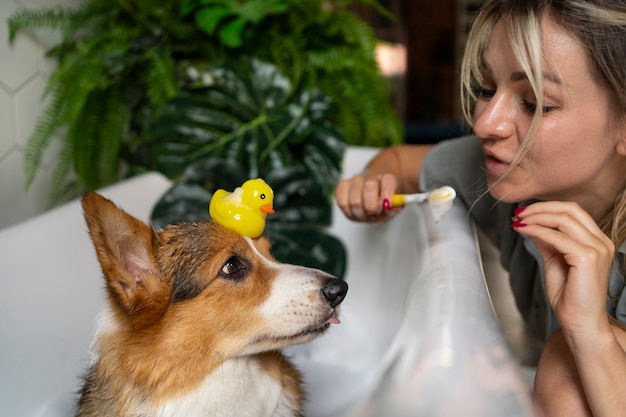
Preventing dental disease starts at home, and even small changes to your routine can make a big difference for your pet’s oral health. Regular tooth brushing remains the gold standard; using a pet-safe toothpaste and a soft-bristled brush can help remove plaque before it hardens into tartar. Ideally, brushing should be done daily, but even a few times a week can provide significant benefits.
If your pet is new to tooth brushing, patience and positive reinforcement will go a long way. Start by allowing your dog or cat to taste the toothpaste and get used to the brush. Gradually work up to brushing a few teeth at a time, rewarding them for cooperation. Dental chews, water additives, and specially formulated dental diets can also help reduce plaque accumulation. Chewing on appropriate toys and treats promotes natural cleaning action and keeps the gums stimulated.
Keep an eye on your pet’s mouth for any changes in breath, gum color, or eating habits, and make dental care part of your regular grooming routine. If you notice tartar buildup or your pet resists having their mouth touched, it may be time for a professional cleaning. Remember, while at-home care is valuable, it cannot completely replace professional dental services; regular veterinary checkups are vital for detecting issues early and maintaining long-term oral health.
When to Schedule a Veterinary Dental Visit
Knowing when to seek professional help is crucial in preventing dental disease from progressing. You should schedule an appointment with our veterinary team at Azalea Veterinary Clinic if you notice any of the following in your pet: persistent bad breath that does not improve with brushing, red or swollen gums, visible tartar deposits, loose or discolored teeth, or difficulty eating. Sudden changes in appetite, excessive drooling, or signs of pain when chewing are also reasons to contact us promptly.
Even if your pet appears healthy, annual dental exams and cleanings are recommended as part of their preventive care plan. These appointments allow our veterinarians to catch problems early and tailor a maintenance strategy for your pet’s unique needs. Certain pets, such as seniors or those with chronic health conditions, may benefit from more frequent evaluations.
If your pet has not had a dental checkup in the past year or you are concerned about their oral health, don’t wait for symptoms to worsen. Delaying care can lead to increased discomfort, costly treatments, and a greater risk of systemic disease. Our professional dental cleaning services for pets can restore oral health and ensure your pet’s smile stays bright all year long.
Keeping Your Pet’s Smile Bright This February and Beyond
Dental disease is one of the most common yet preventable health issues for dogs and cats in Roswell and surrounding communities. By staying alert to early warning signs, understanding how winter routines can impact oral health, and committing to both professional and at-home dental care, you play a vital role in your pet’s lifelong wellbeing.
At Azalea Veterinary Clinic, our team of veterinarians is here to provide compassionate, expert dental care tailored to your pet’s needs. If you are searching for a "vet near me" to help with dental health this February, we invite you to schedule an appointment and discover the difference personalized preventive care can make. To book your pet’s dental exam or cleaning, call our veterinary professionals at (770) 874-4536 or visit our Roswell location. Your pet’s comfort, health, and happiness are our top priorities—let’s work together to keep their smile bright all year long.
This blog is for informational purposes only and does not replace individualized veterinary care. If you have concerns about your pet’s dental health, contact our veterinarians for a thorough examination and professional advice. For more information on pet dental care, visit the American Veterinary Dental College.